

Pristine alpine lakes surrounded by towering mountains and seemingly endless views
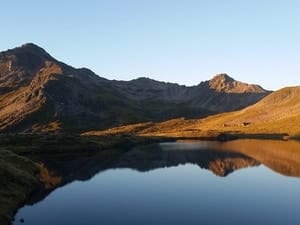
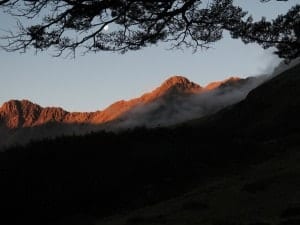
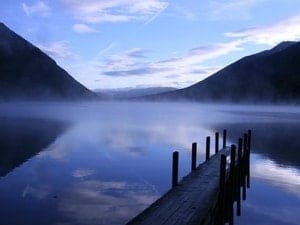
Southern Wilderness offer a range of Nelson Lakes guided walks; gourmet options in the park, ranging from the Five Day Travers Sabine Circuit and Mt Angelus Alpine Experience , through to Day Walks along the Lake Rotoiti Shoreline and up Mount Robert Ridgeline. Day walks are also available in a package format, The Nelson Lakes Three Day Walks Package for those wishing to take their time over exploring the delights that this lesser-known National Park has to offer.
Nature and conservation
Nelson Lakes National Park (established in 1956) protects 102,000 hectares of the northern most Southern Alps. despite its small size this National Park has so much to offer
At the edge of the park lie the two biggest lakes in the area “lake Rotoiti’ and “Lake Rotoroa” these were both formed by massive glaciers from the last ice age.
The mountains in this harsh landscape have been created by the Apline Fault line which stretches the length of the South island, These mountains mark the beginning of the Southern Alps and are scattered with alpine lakes, patches of beautiful Forrest and amazing rivers
Vegetation
The park’s forests are dominated by the beech tree. In the valley floors are red and silver beech; on higher slopes where the soil is thinner, the small-leaved mountain beech takes over. Sprinkled throughout the forest are the occasional totara, and a range of shrubs, many of which display an unusual wiry form that is thought to have evolved as a defence against browsing by moa.
Ferns and mosses proliferate on the forest floor where light is subdued and dampness clings. At the bushline, forest gives way to shrub and herb fields where white-flowered hebe, flax, rust-red dracophyllum and the spiky flowerheads of spaniard plants create visual interest.
Beyond the shrublands are the alpine grasses and carpet plants. Tall tussocks soften the harsh texture of broken rock. In damper places in early summer, yellow buttercups, white daisies and a host of tiny specialised plants flourish in the brief growing season.
Birds
The Rotoiti Nature Recovery Project has reduced predator numbers on the eastern side of Lake Rotoiti. In this area, birds, including reintroduced great spotted kiwi, thrive but outside you can still enjoy the friendly robin that ventures close, alert to any insects stirred by your passing.
Bellbirds and fantails are common in the forest and the tiny rifleman can often be heard before it is seen, flitting up beech trunks in search of food. Raucous kaka, a forest parrot, are often heard but rarely seen.
Diminutive rock wren and cheeky kea visit the higher areas. On the river flats paradise ducks flee from disturbance with noisy fuss while in forest-fringed streams, the rarer blue duck deftly rides the rapids, taking insects from the stony riverbed.
Information from DOC New Zealand
Contact us to book your Southern Wilderness Nelson Lakes guided walk journey today!
Or call us on +64 (3) 545-7544 . We look forward to hearing from you soon!